VENTE CARITATIVE
Le 15 octobre prochain, nous avons le plaisir de vous ouvrir les portes de nos bureaux dans le 9ème arrondissement de Paris, à l’occasion de notre vente caritative annuelle.
L’intégralité des bénéfices sera reversée à l’association "Vivre comme avant" qui accompagne au quotidien les femmes touchées par le cancer du sein.
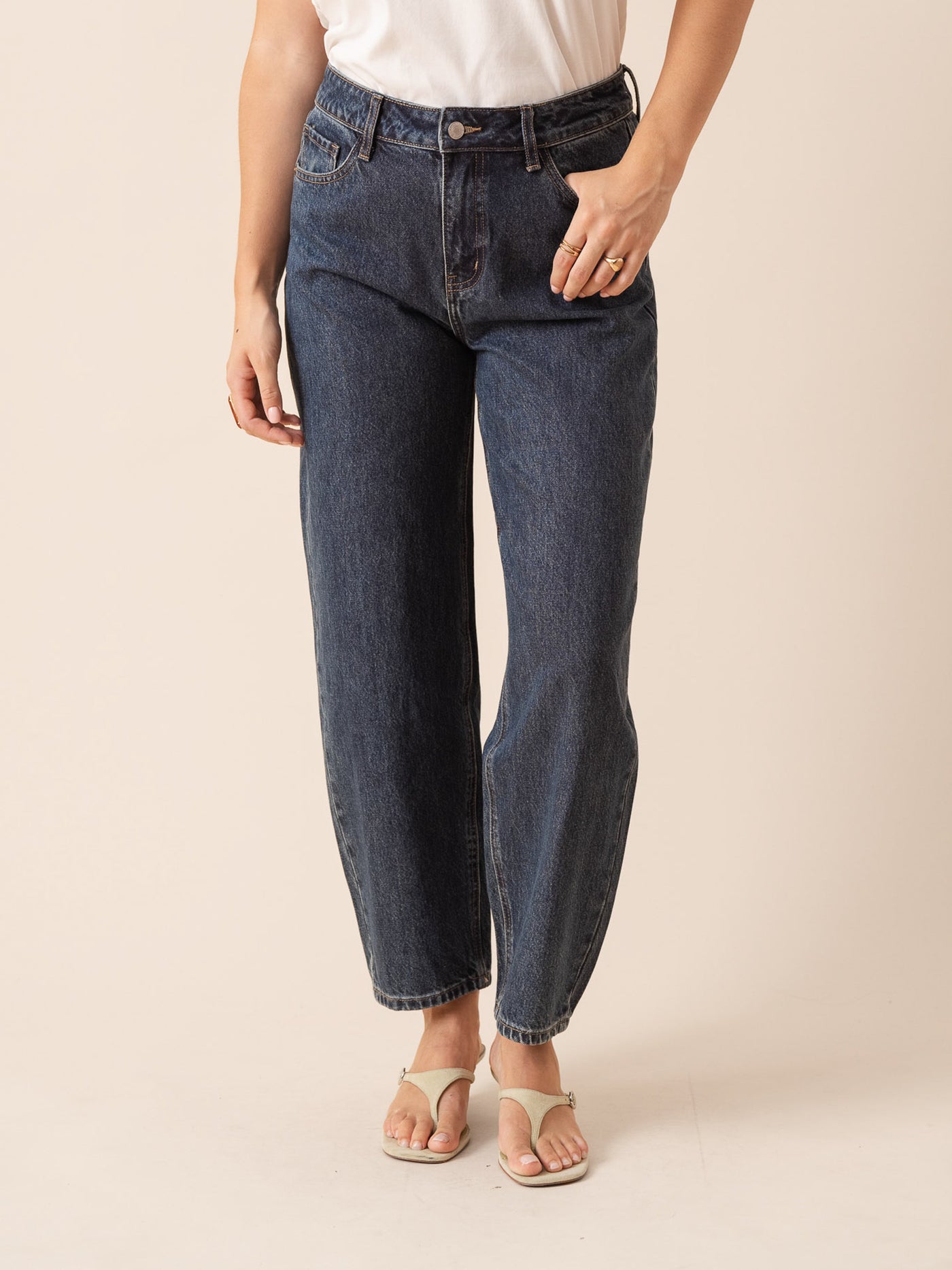
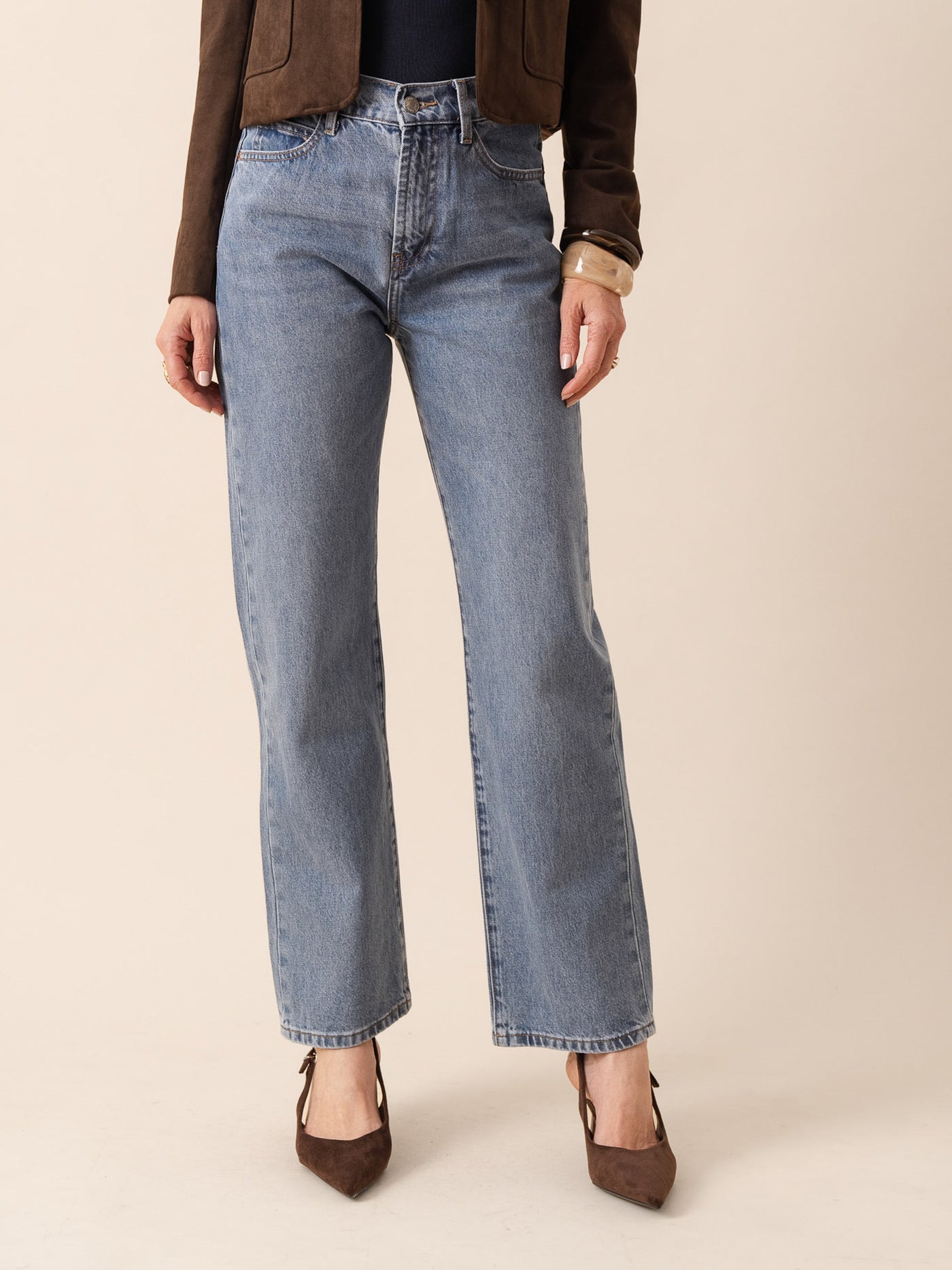
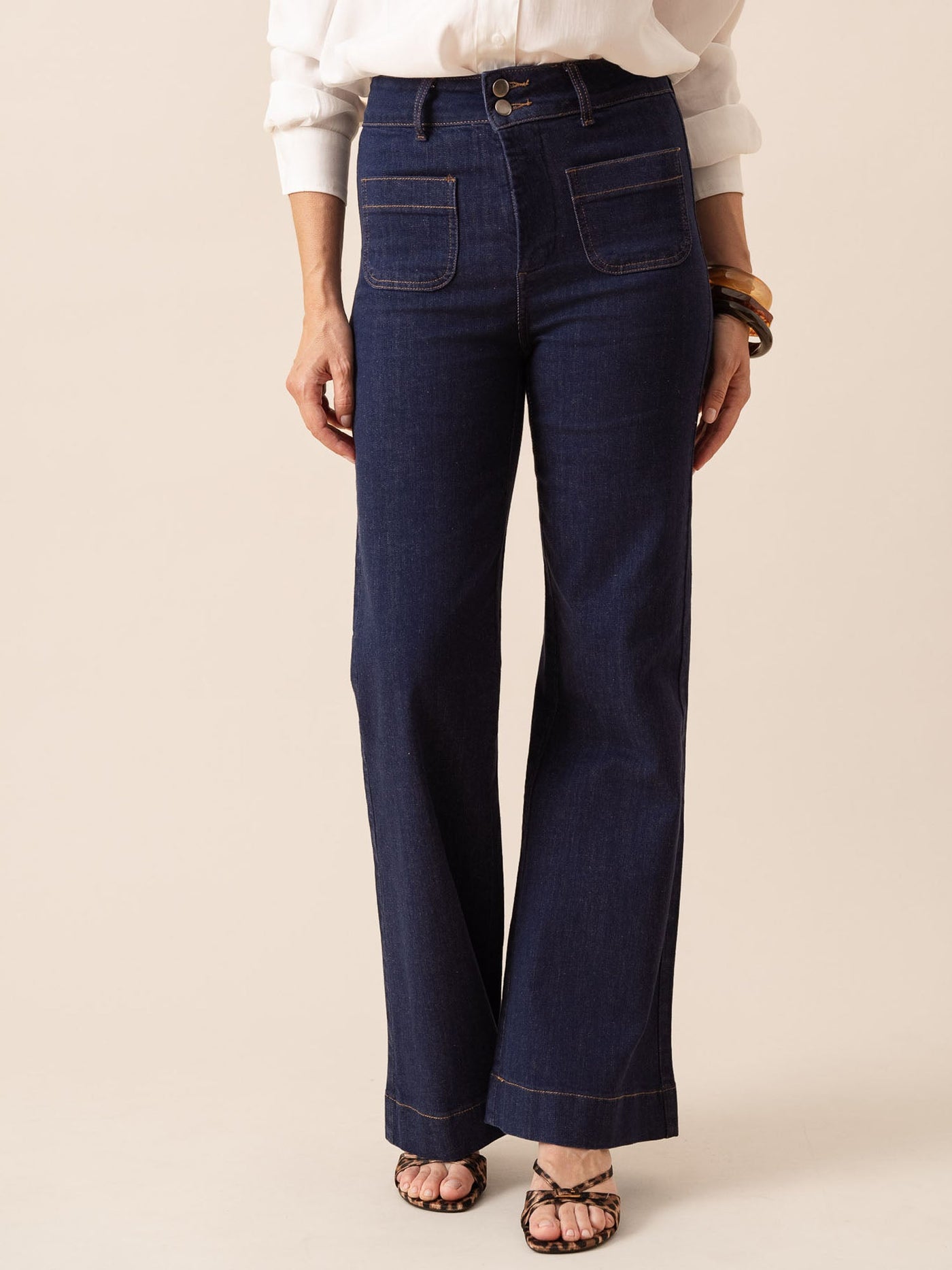
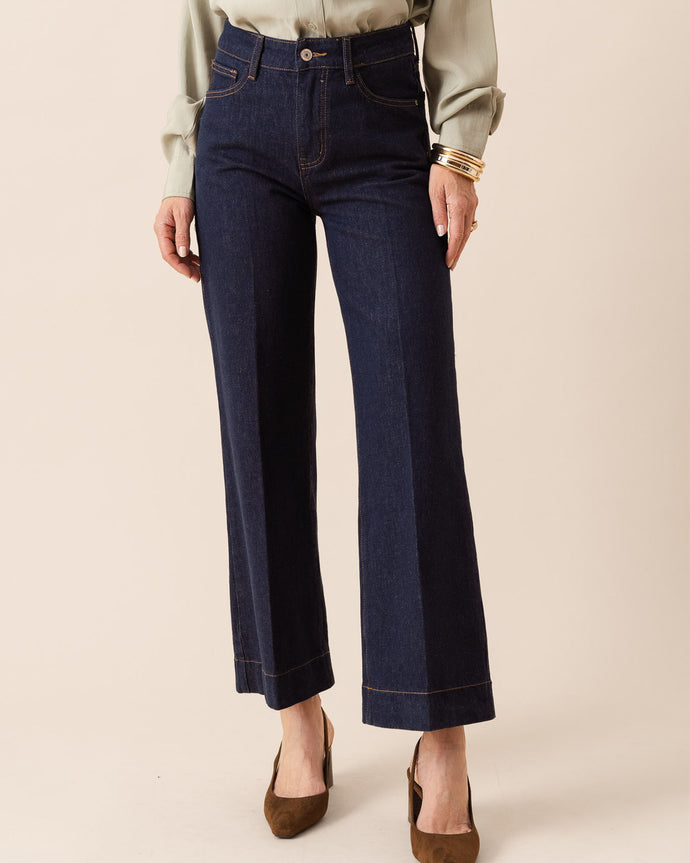
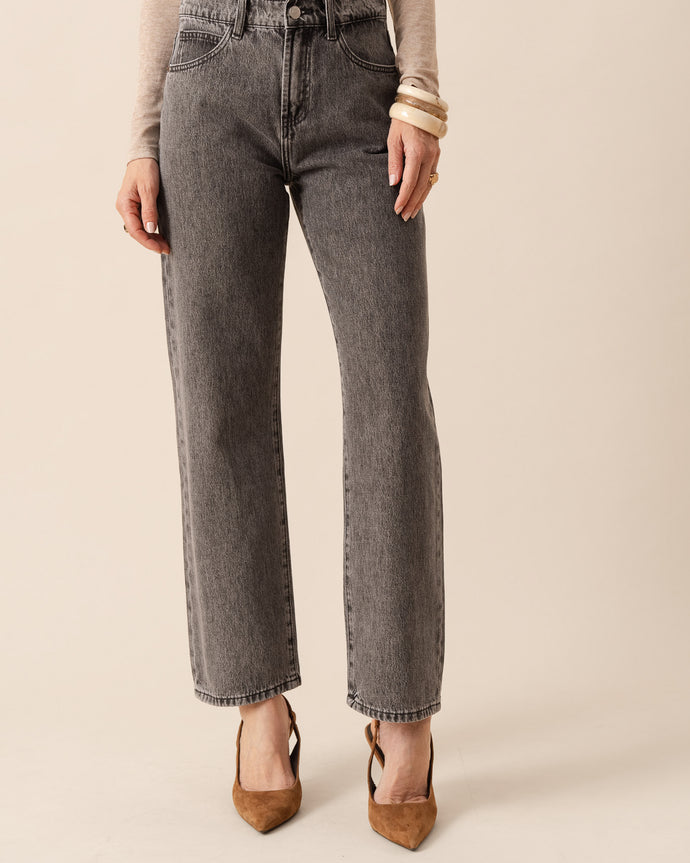
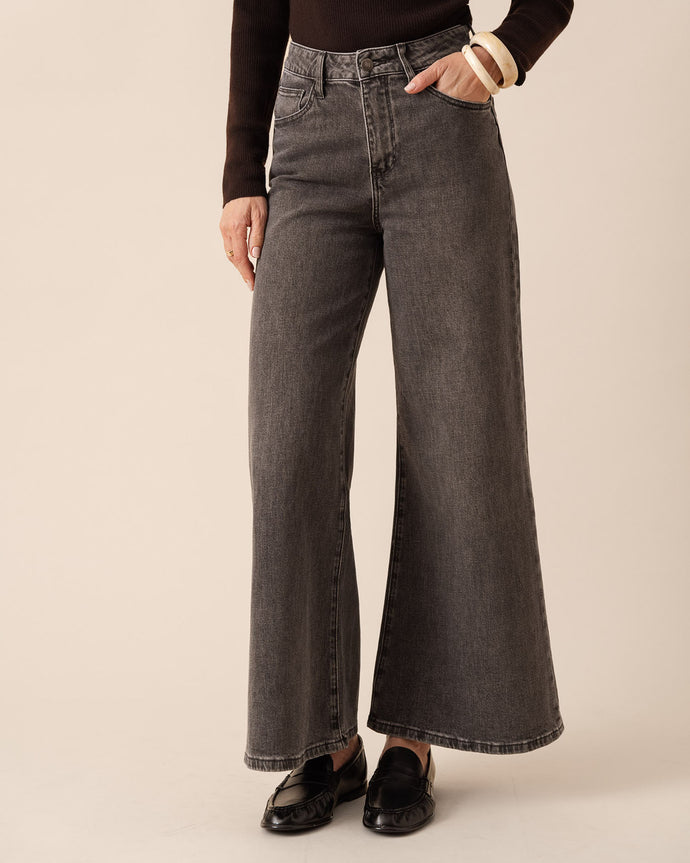
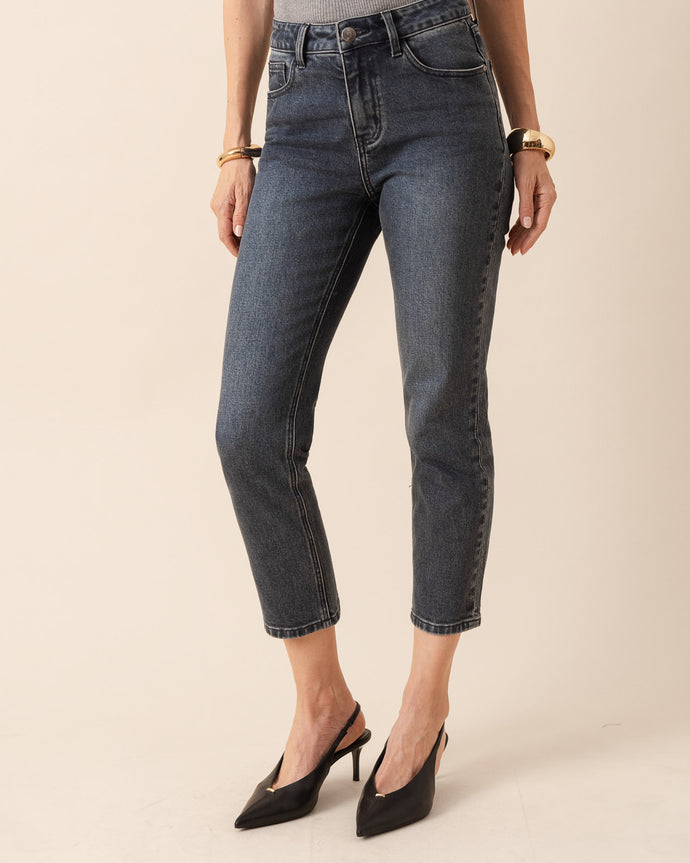
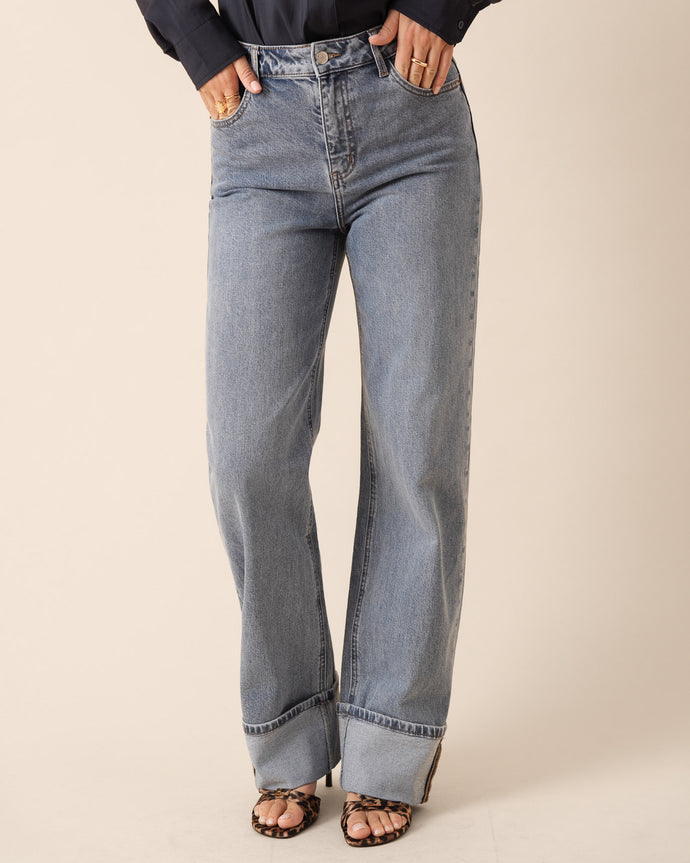
Une sélection exclusive de pièces d’archives et de prototypes (du 34 au 46 avec une majorité en taille 36) vous sera proposée au prix unique de 20 € la pièce.
Un moment d’échange privilégié avec Corinne, représentante de l’association, qui sera présente toute la matinée pour sensibiliser et répondre à vos questions
Nous vous attendons nombreuses pour soutenir cette cause qui nous tient particulièrement à cœur 🩷